The Winter Olympics Secret from Wales: How the Llyn Peninsula Helps Shape Olympic Curling Stones
As the world’s attention turns towards the Winter Olympics, fans are buzzing about every sport from skiing to skating. But there’s one fascinating connection to Wales that isn’t getting the spotlight it deserves. While Scotland’s Ailsa Craig is famous for supplying the granite for Olympic curling stones, the other of only two places in the world that provides this rare rock lies right here on the Llyn Peninsula in North Wales.
Why Curling Stones Matter
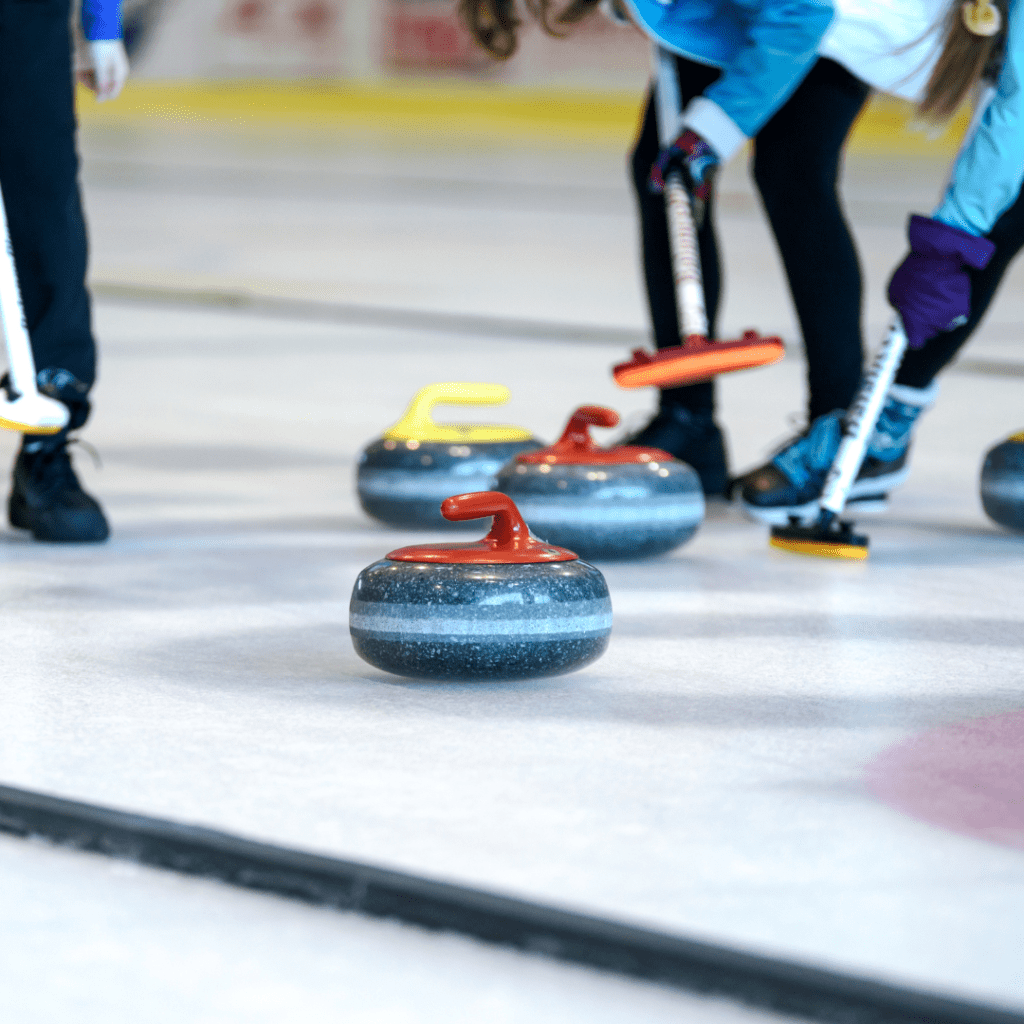
Curling is one of the most tactical and thrilling sports in the Winter Olympics. Each stone slides across the ice with precision, skidding, spinning and curling its way toward the target. But what many people don’t realise is that every one of these stones must be made from a very special type of granite. It must be incredibly resistant to cracking and have extremely low water absorption so it can survive repeated freezing and thawing without degrading.
Ailsa Craig Gets the Fame but Wales Plays a Role Too
Ailsa Craig, a small Scottish island in the Firth of Clyde, has long been credited as the iconic source of the granite used in Olympic curling stones. Hand-crafted by specialist stone makers, stones made from Ailsa Craig granite have been used at Olympics for decades.
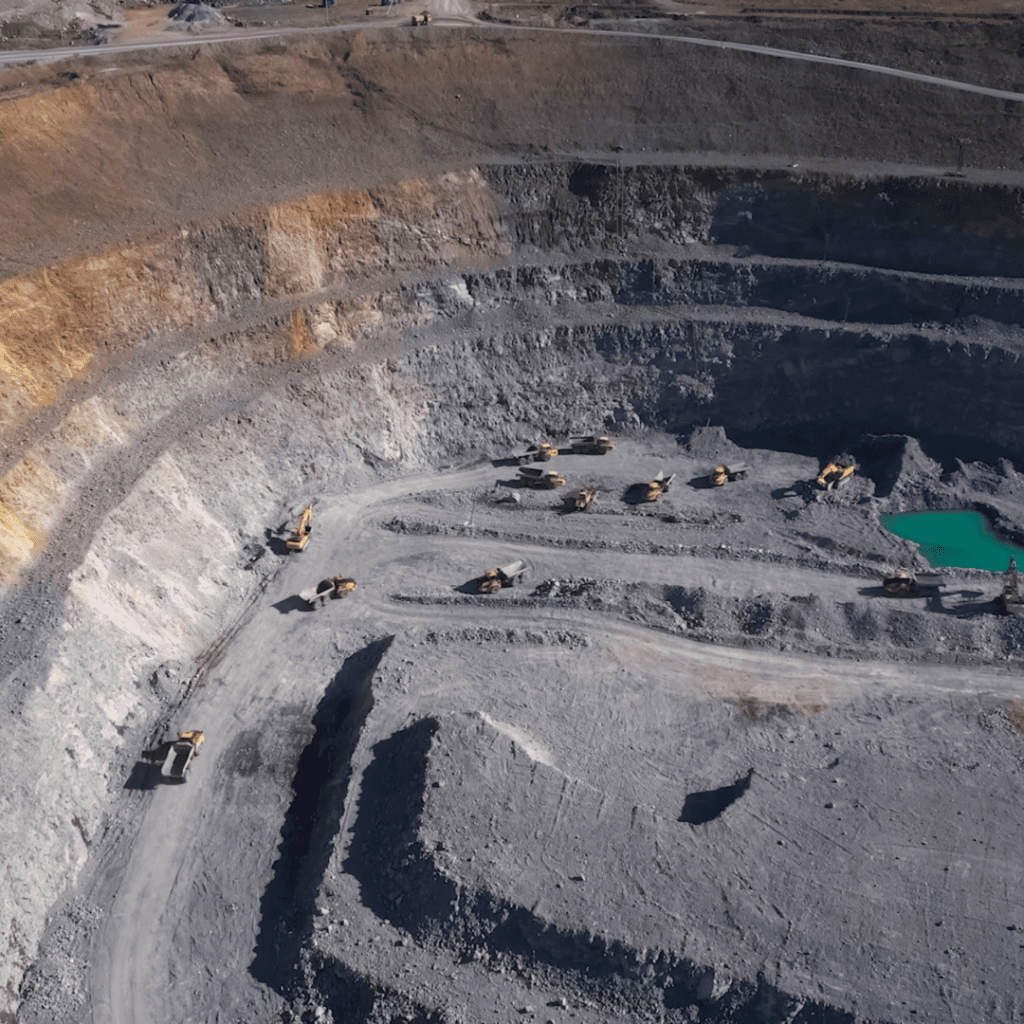
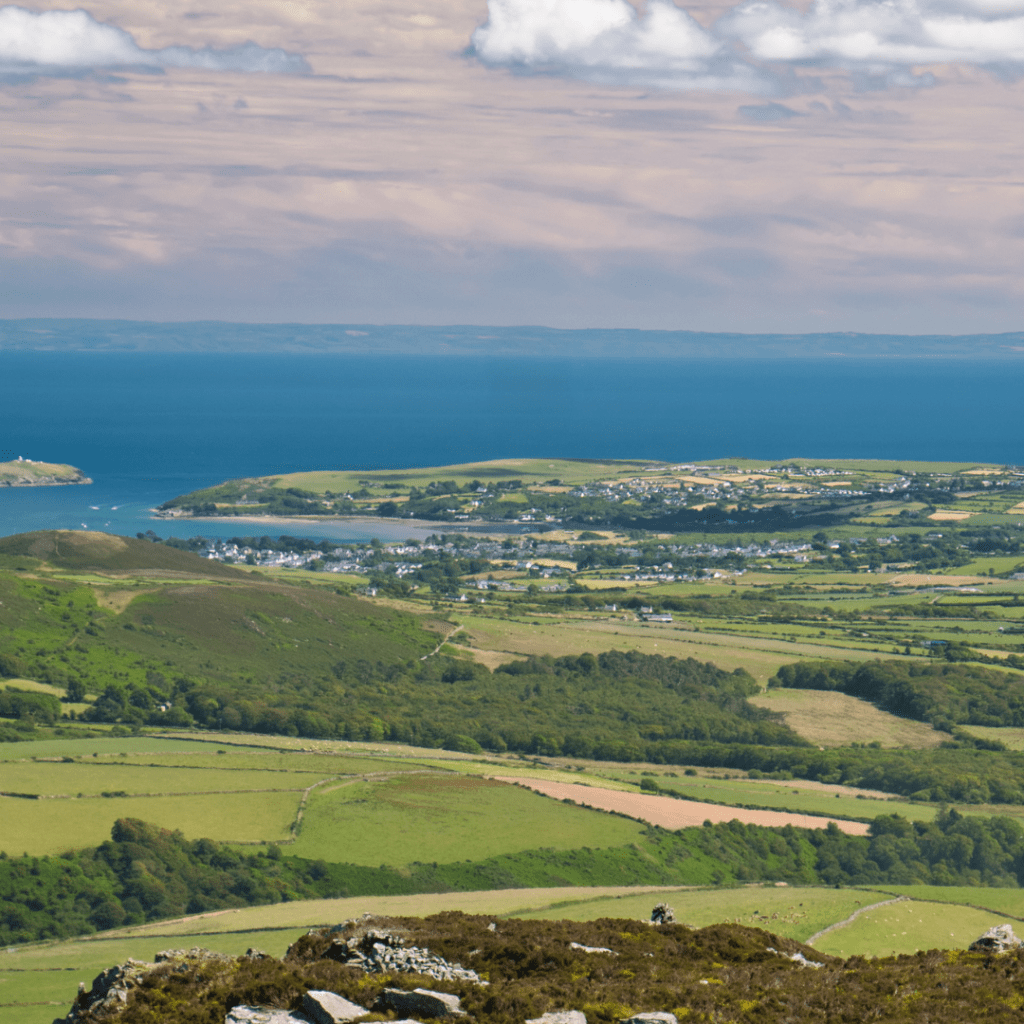
What’s less widely known is that Wales has its own claim to curling stone history. The granite quarried near Trefor on the north coast of the Llyn Peninsula in Gwynedd is the other unique natural source used in high-quality stones around the world.
This Welsh granite shares the qualities crucial to top-level competition and for many years has supplied stone to curling stone manufacturers globally, including those supplying Olympic-calibre equipment. It’s an incredible fact that while most attention focuses on Scotland’s role, Welsh rock is quietly part of the global curling story too.
From Quarry to Ice
Granite from the Welsh quarry is tough and resilient. It meets the exacting standards for curling stones because its crystal structure helps resist cracks and erosion from freezing water. That’s why constructors of curling stones value it so highly.
In the world of curling, stones are not just functional sporting equipment, they are a perfect blend of natural geology and skilled craftsmanship. Each stone weighs between 38 and 44 pounds and must glide smoothly and consistently over the ice. The secret lies not just in how they are shaped and polished but in where the raw stone comes from.
A Welsh Sporting Legacy
So as millions search online for everything Winter Olympics, here’s a story worth telling: Wales might not host an Olympic event or stand on the podium, but its natural resources help shape the very stones used in competition. That’s a connection that makes this corner of the UK a small but proud part of Olympic sporting history.
Whether you love curling, are planning your next getaway, or just enjoy uncovering quirky facts about Wales, the link between the Llyn Peninsula and the Winter Olympics is a story worth sharing!